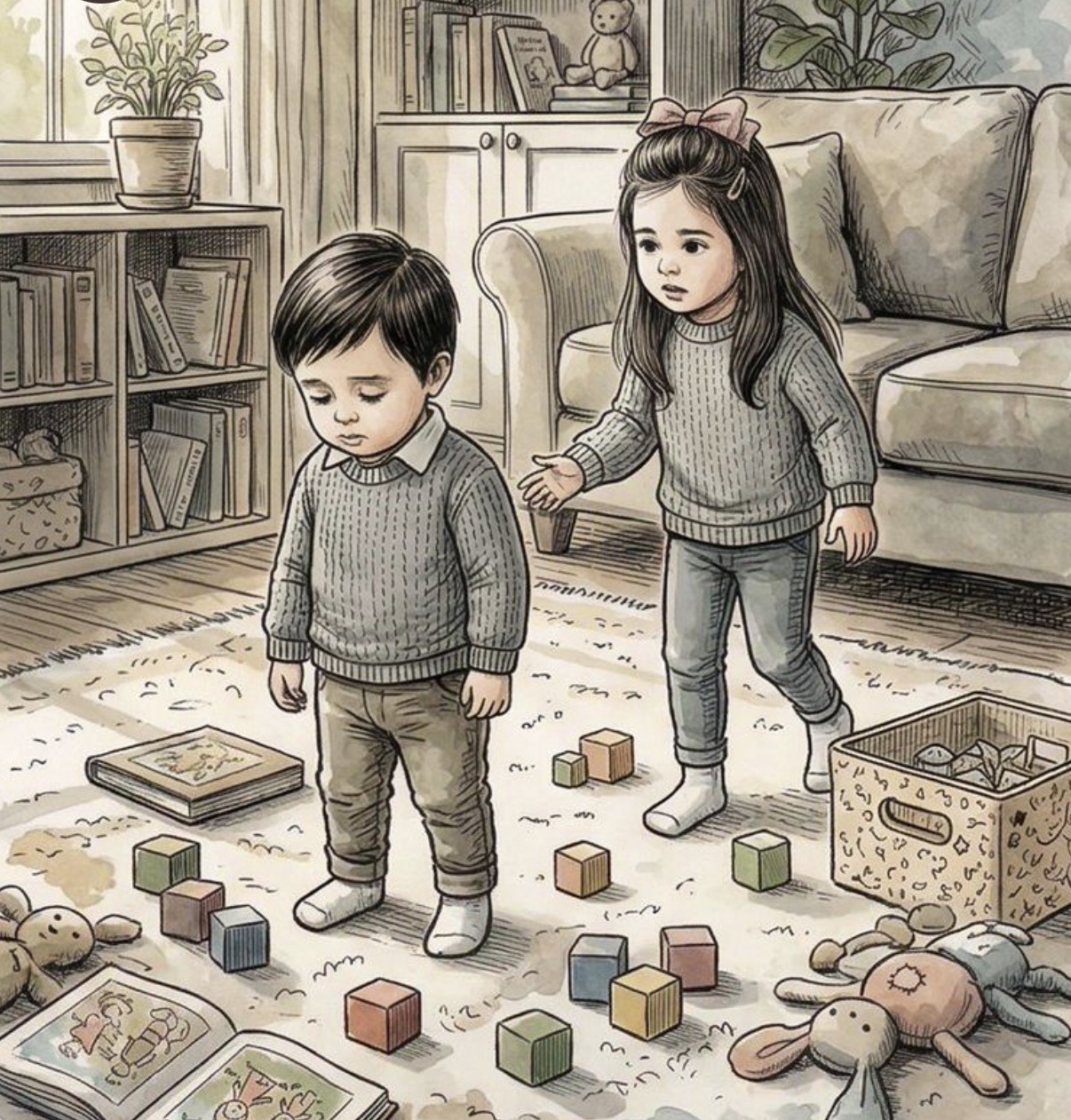
When someone your child loves dies, the instinct is to protect them. To soften it. To say grandma "went to sleep" or the dog "went to a farm." But children are perceptive. They know something has changed, and when the adults around them won't explain what, the silence becomes its own kind of fear.
The truth is, children can handle honest conversations about death when those conversations are done with care. What they can't handle is confusion. Knowing how to talk about grief, and when, and with what words, makes a real difference in how a child processes loss.
Children don't need you to have all the answers. They need you to be willing to sit in the question with them.
Why it's hard to talk to kids about death
Most of us were never taught how to grieve ourselves, let alone how to guide a child through it. Here's why these conversations feel so difficult:
- We want to protect them. The impulse to shield children from pain is strong. But avoiding the topic doesn't remove the pain. It just leaves the child alone with it.
- We're grieving too. It's hard to be a steady presence when you're falling apart. That's okay. Children can handle seeing you sad. What matters is that they don't feel abandoned in their own sadness.
- We don't have the words. Death is abstract, permanent, and final. Explaining that to a 3-year-old feels impossible. But it doesn't have to be perfect. It just has to be honest.
- We're afraid of making it worse. Many parents worry that bringing up death will upset a child who seems fine. In reality, children process in waves. They may seem fine one moment and ask a difficult question the next. Both are normal.
What children understand at different ages
Children's understanding of death changes as they develop. Knowing where your child is developmentally helps you choose the right words.
Ages 2-4
At this age, children don't understand that death is permanent. They may ask when the person is coming back, or talk about them as if they're still here. This isn't denial. It's a developmental limitation.
What helps: Keep explanations very simple and concrete. "Grandpa's body stopped working. He can't come back, but we can remember him." Expect the same questions many times. Answer them patiently each time.
Ages 4-6
Children begin to understand that death is real, but may think it's reversible or only happens to certain people. They often engage in "magical thinking," believing their thoughts or actions caused the death.
What helps: Be clear that nothing the child did or thought caused the death. Use specific language: "died" rather than "lost" or "passed away." At this age, children may act out their feelings through play rather than words, and that's healthy.
Ages 6-9
Children now understand that death is permanent and universal. This can trigger anxiety: "Will you die? Will I die?" They may become preoccupied with the details of how someone died.
What helps: Answer their questions honestly without graphic details. Reassure them about their own safety without making promises you can't keep. "Most people live for a very long time. I'm healthy and I plan to be here for a long, long time."
What to say (and what not to say)
The words you choose matter more than you might think. Young children are literal. Metaphors that comfort adults can confuse or frighten them.
Avoid these common phrases
- "Grandma went to sleep." The child may become afraid to go to sleep, or expect grandma to wake up.
- "We lost grandpa." The child may wonder why no one is looking for him.
- "God needed another angel." This can make a child angry at God or afraid that God will "need" them too.
- "She's in a better place." The child may wonder why she didn't want to stay with them.
- "You need to be strong." This tells the child their feelings aren't welcome.
Say this instead
- "Grandma died. That means her body stopped working and she can't come back."
- "It's okay to feel sad. I feel sad too."
- "You didn't do anything to cause this. Nothing you said or thought made this happen."
- "It's okay to cry. It's also okay if you don't feel like crying right now."
- "I don't know the answer to that, but we can think about it together."
The goal isn't to eliminate sadness. It's to make sadness safe.
How children grieve differently from adults
Children don't grieve the way adults expect. Understanding their patterns helps you support them without overcorrecting.
They grieve in bursts. A child might cry for five minutes, then ask for a snack, then go play. This doesn't mean they don't care. It means their emotional capacity is smaller, and they process in short doses.
They grieve through play. A child might "play funeral" with their stuffed animals, or draw pictures of the person who died. This is healthy processing, not morbid behavior.
They revisit grief at new developmental stages. A child who lost a grandparent at age 3 may grieve again at age 7 when they understand death more fully. A teenager may re-grieve a loss from childhood as they develop new emotional depth.
They watch you for cues. If you act like death is too terrible to talk about, they'll learn to suppress their feelings. If you model openness, even through tears, they learn that grief is survivable.
How stories help children process grief
When a child is grieving, they often can't articulate what they feel. They don't have the vocabulary for loss, the framework for permanence, or the emotional regulation to sit with heavy feelings for long.
Stories give them all three.
A well-told story about grief does several things at once:
- Names the feelings. When a character in a story feels sad, confused, or angry about someone dying, the child recognizes their own feelings without having to find the words.
- Normalizes the experience. The child learns that other people (even story people) feel this way too. They're not broken or wrong for feeling sad.
- Creates emotional distance. It's sometimes easier to talk about how a character feels than how I feel. Stories give children a safe way to approach overwhelming emotions.
- Offers a path forward. A story can model what healthy grieving looks like: remembering the person, talking about them, feeling sad sometimes and happy sometimes, and knowing that both are okay.
A story won't take away a child's grief. But it can sit beside them in it, and that's exactly what they need.
Practical tips for supporting a grieving child
Beyond the big conversation, here are everyday ways to help your child through a loss:
- Maintain routines. When the world feels unpredictable, familiar rhythms (bedtime, meals, school) provide stability.
- Let them attend rituals if they want to. Funerals, memorials, and visits to the cemetery aren't inherently harmful for children. Prepare them for what they'll see and let them decide.
- Create a memory practice. A memory box, a drawing, a special photo, or a regular time to talk about the person who died helps the child feel connected.
- Watch for behavioral changes. Regression (bedwetting, clinginess, thumb-sucking), aggression, withdrawal, or changes in eating and sleeping can all be signs of grief. These usually resolve with time and support.
- Don't rush them. There's no timeline for grief. A child may seem fine for weeks and then suddenly become upset. This is normal. Let them grieve at their own pace.
- Keep mentioning the person. Many adults stop saying the name of someone who died, thinking it will upset the child. In reality, children want to hear their loved one's name. It tells them the person still matters.
- Take care of yourself. You can't pour from an empty cup. If you're grieving too, seek support. Your child doesn't need you to be perfect. They need you to be present.
How Piko Story helps
Explaining grief to a young child is one of the hardest things a parent can face, especially while managing their own loss. Piko Story lets you create a personalized story that gently introduces your child to what has happened and what they might feel.
You describe the situation, such as "my 4-year-old's grandmother passed away and we need to explain what happened," and Piko Story generates a story with:
- A character that looks like your child
- Age-appropriate, honest language about death
- Validation of the child's feelings: sadness, confusion, anger, even relief
- Gentle reassurance that they are loved and safe
- Beautiful illustrations that hold the child's attention during a difficult conversation
You can read it together as many times as your child needs. Some families read it every night for a week. Others return to it months later when the grief resurfaces. The story becomes a touchstone, something familiar and safe that the child can hold onto.
When to seek professional help
Grief is normal. But sometimes a child needs more support than a parent can provide. Consider reaching out to a professional if:
- Grief intensifies over time rather than gradually easing
- The child can't function at school, with friends, or at home for more than a few weeks
- They talk about wanting to die or be with the person who died
- Behavioral changes persist beyond a few months
- The child was present for a traumatic death
A child psychologist or grief counselor who specializes in children can provide targeted support. Many use stories, play therapy, and art as part of their approach, so the work you're already doing at home with stories reinforces what they do in sessions.
Frequently asked questions
Should I tell my child someone died, or wait until they ask?
Tell them. Children sense when something is wrong, and the gap between what they sense and what they're told creates anxiety. You don't need to share every detail, but do give them the basic truth as soon as possible.
What if I cry in front of my child?
That's okay, and even healthy. Seeing a parent cry teaches a child that sadness is a normal human emotion. You might say, "I'm crying because I'm sad that grandpa died. It's okay to be sad. I'm still here with you."
My child keeps asking the same questions about death. Is that normal?
Yes. Young children process new information through repetition. They're not trying to upset you. They're trying to understand. Answer each time with the same calm, simple language.
My child seems completely fine after the death. Should I be worried?
Not necessarily. Some children take time to process, and some express grief through behavior rather than words. Keep the door open for conversation without forcing it. They may come to you in a few weeks or months when they're ready.
Should my child go to the funeral?
If the child wants to go and you prepare them for what they'll see (people crying, a casket, the ceremony), attending a funeral can be a healthy part of the grieving process. If they don't want to go, don't force them. You can create an alternative way for them to say goodbye.
How do I explain death to a child if I'm not religious?
Focus on what you do know: "Their body stopped working and they can't come back. But we can remember them. We can talk about them. And the love we shared doesn't go away." You don't need a metaphysical framework to be comforting. Honesty and presence are enough.
How do I explain the death of a pet to my child?
Use the same honest approach. "Our dog Max died. His body stopped working. He's not in pain, but he can't come back." Let the child grieve fully. A pet's death is often a child's first experience with loss, and how you handle it shapes how they handle future losses.
My child says they caused the death by being bad. What do I say?
This is magical thinking and it's very common, especially in children ages 3-6. Be direct: "You did not cause this. Nothing you did, said, or thought made this happen. Sometimes bodies stop working and it's nobody's fault."
How long does childhood grief last?
There's no set timeline. Acute grief (intense sadness, behavioral changes) typically eases within a few months, but grief can resurface at milestones: birthdays, holidays, or new developmental stages. This is normal and healthy. Grief doesn't end. It evolves.